Being shy can come with lots of overlooked benefits. Shy people tend to observe carefully before jumping in, which means they can notice details others miss. They’re often good listeners, empathetic and self-aware.
Still for parents of shy kids, it can be difficult to watch your child struggle to connect with their peers. You want them to experience the joy of friendship, but pushing too hard can backfire. Sports offer a unique environment where shy kids can build friendships at their own pace. In fact, our research with The Harris Poll shows that 94% of parents believe playing sports helps children build confidence and social skills.
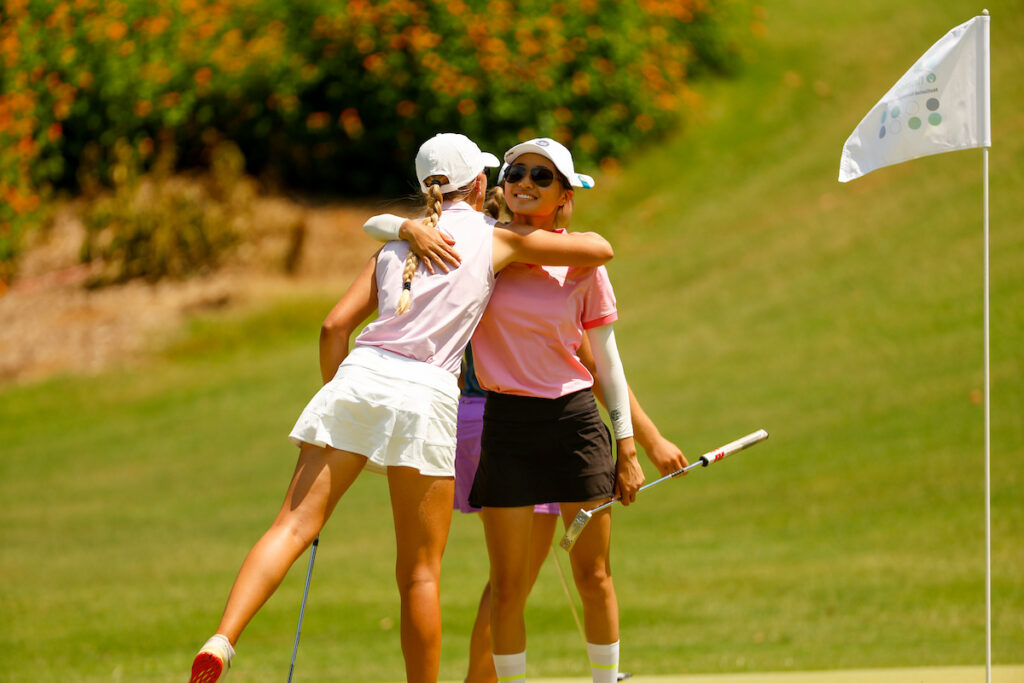
Compared to many team sports, golf provides a more measured environment. There’s time between shots for conversation, opportunities to observe others before acting and a shared focus that takes the pressure off constant eye contact or quick responses. At First Tee, we’ve seen countless shy children blossom as they discover that the golf course is a safe space to practice being themselves.
But making friends doesn’t happen automatically. Even in the most welcoming environment, shy kids might benefit from a little coaching on how to connect.
Facilitating connections with A-L-R
At First Tee, we teach a simple framework that can transform how shy kids approach new friendships: Ask, Listen, Respond.
Ask questions: Encourage your child to become curious about others. Asking questions isn’t about filling awkward silence but about discovering who someone really is. Help your child understand that questions about a person’s background, experiences or interests can reveal commonalities they never expected.
Listen to understand: Many shy kids are already good listeners by nature, but in social situations, they may be preoccupied by worrying about how to respond. Introduce the concept of active listening: focusing genuinely on what the other person is saying because you’re interested, not because you’re preparing your reply.
You can practice this at home during dinner conversations or car rides. When your child shares something, model active listening by giving them your full attention, asking follow-up questions and reflecting back what you heard. Then gently encourage them to do the same when others are speaking.
Reflect and respond: The final piece is showing others that you were truly listening. Teach your child that responding doesn’t mean having the perfect comeback or the funniest joke. It means acknowledging what was shared and building on it.
A simple, “That sounds really cool. What was your favorite part?” or “I’ve felt that way too,” can be enough to keep a conversation flowing and signal genuine interest.
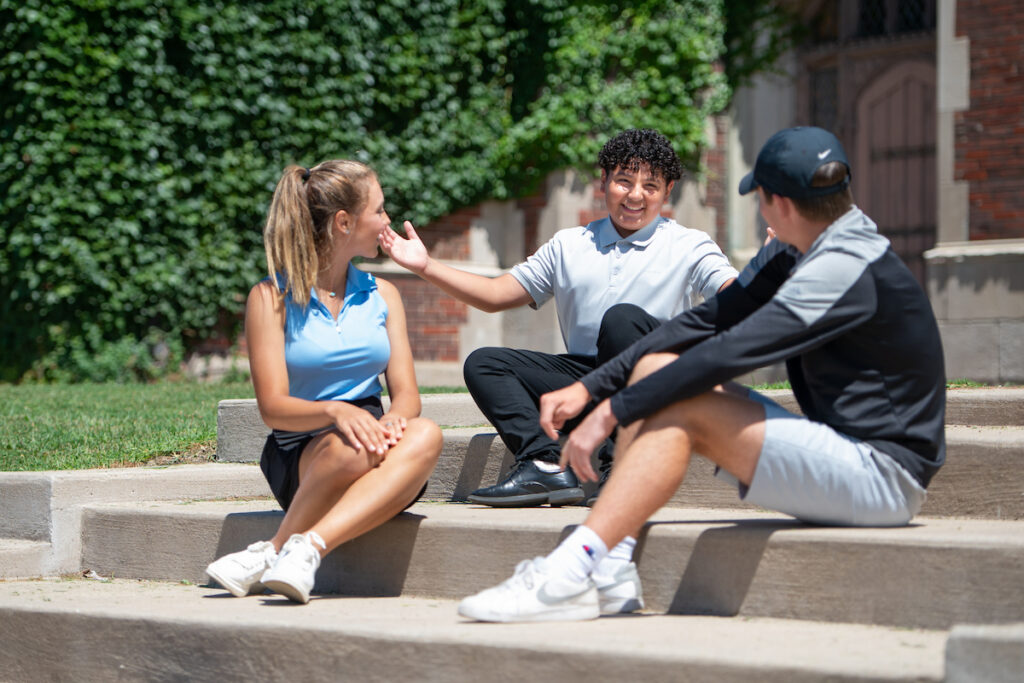
The beauty of First Tee is that it provides natural, repeated opportunities to practice these skills. As a parent, you can support this process by encouraging participation in group activities, celebrating small wins and being patient; some friendships develop quickly, while others take a full season to form.
Learning to ask thoughtful questions, listen actively and respond with authenticity can help prepare your child for success in school, future careers and all of life’s relationships. At First Tee, we’re committed to creating an environment where every child can discover their potential both on and off the course, because golf isn’t just about the game; it’s about the friendships formed, the confidence built and the life skills that last forever.